I. Technical Specs & Transmission/Image Performance
1. HDMI 2.1
- Max bandwidth: 48Gbps, natively transmits lossless 4K@120Hz video stream.
- With DSC (Display Stream Compression), supports 8K@60Hz output.
- Dynamic HDR optimizes light and shadow gradation for enhanced visual depth.
2. DP 2.1(DisplayPort 2.1)
- Theoretical peak bandwidth: 80Gbps, 1.6× the throughput of HDMI 2.1.
- Uncompressed native transmission for 8K@120Hz video.
- Standard reserves hardware upgrade headroom for future 16K@60Hz resolution.
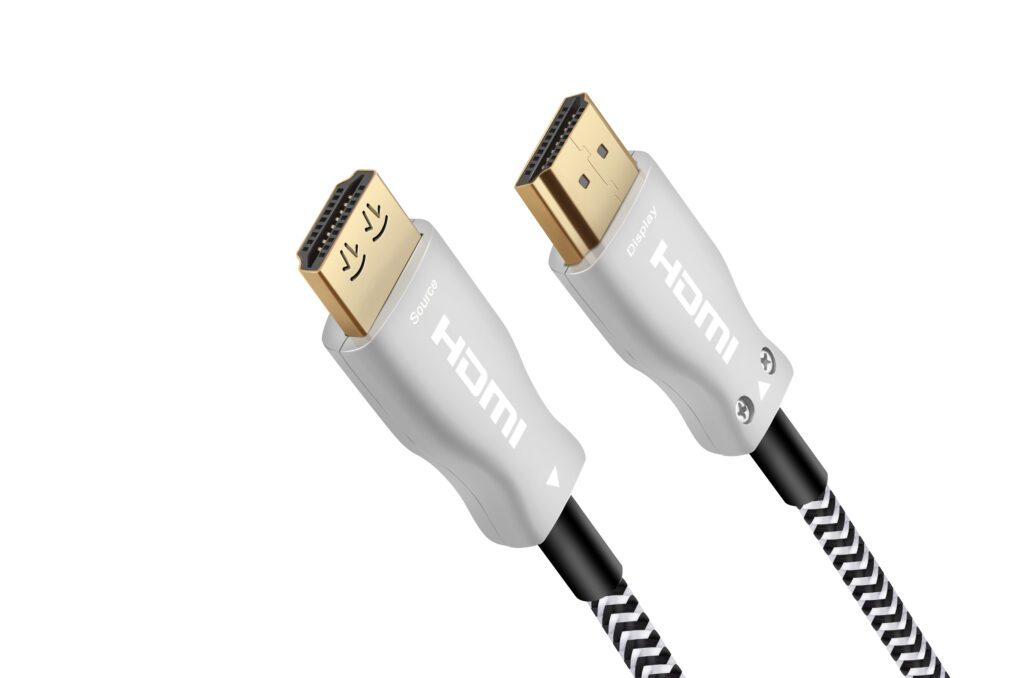
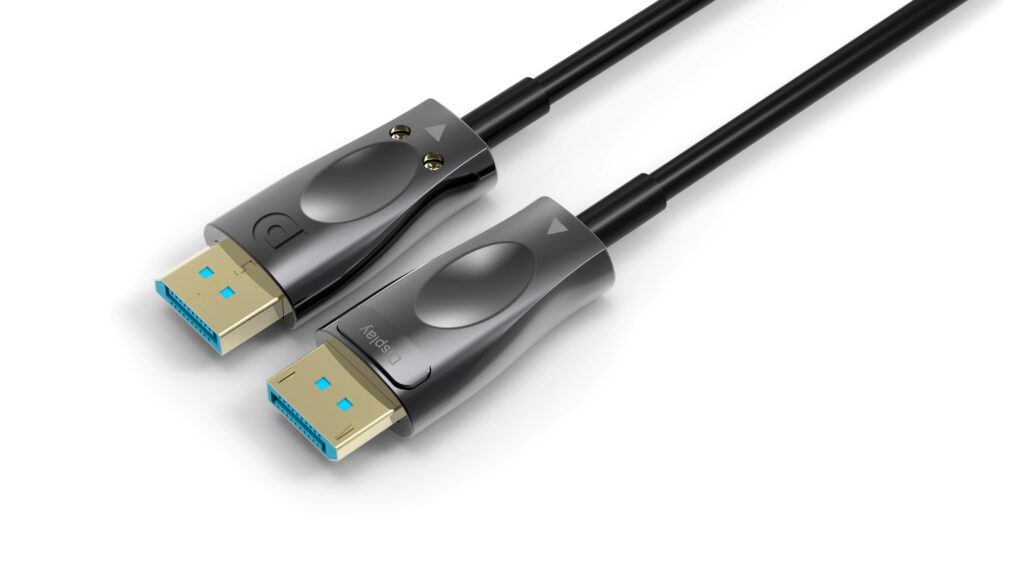
II. Latency & Gaming Performance
1. HDMI 2.1
- At 4K@120Hz mode, signal latency is 18ms higher than DP ports.
- ALLM (Auto Low Latency Mode) delivers limited latency optimization.
- Best suited for console gaming with loose real-time responsiveness requirements.
2. DP 2.1
- Supports extreme refresh rate up to 4K@240Hz.
- Protocol optimization cuts transmission latency by 1.5~2ms; in competitive esports, in-game input response improves by 0.5s.
III. Exclusive Features & Application Scenarios (Sync & Color Rendering)
1. HDMI 2.1
- Built-in HDMI VRR (Variable Refresh Rate).
- Dynamic HDR brings richer detail for explosion effects; dark-scene contrast boosted by 42%.
2. DP 2.1
- Natively compatible with FreeSync & G-Sync anti-screen-tearing technologies.
- Supports 10bit/12bit color depth + 4:4:4 lossless chroma subsampling; color reproduction precision outperforms HDMI by 1~2 percentage points.
Multi-display Connection Solution
HDMI 2.1
- Each display requires an independent source connection; multi-screen sync only achievable via signal splitters.
- Optimized for single-screen home theater & consumer AV setups.
DP 2.1
- MST (Multi-Stream Transport) enables daisy-chain cascading of multiple monitors from a single port.
- One DP 2.1 port can simultaneously power four independent 4K displays, drastically simplifying cabling for multi-monitor office workstations.
IV. Market Compatibility & Future Development Outlook
1. Terminal Device Compatibility
HDMI 2.1
- Industry standard for smart TVs and mainstream game consoles; equipped with eARC (enhanced Audio Return Channel) for high-fidelity audio pass-through.
- Near 100% market penetration across consumer electronics.
DP 2.1
- Dominant on PC hardware and professional-grade monitors; projected to become standard port for flagship discrete graphics cards in 2026.
- Preferred interface for medical imaging equipment and industrial inspection monitors.
2. Standard Upgrade Roadmap
HDMI 2.1
- HDMI 2.2 is scheduled for official release in 2026 with bandwidth upgraded to 72Gbps, plus new AI-powered dynamic compression algorithm.
DP 2.1
- Implements UHBR20 single-lane 20Gbps transmission specification; adds real-time dynamic HDR metadata delivery.
- Future development targets deep technical integration with USB-C interface.
Quick Core Comparison Table
| Spec Parameter | HDMI 2.1 | DP 2.1 |
|---|---|---|
| Max Bandwidth | 48Gbps | 80Gbps |
| Max 4K Refresh Rate | 120Hz | 240Hz |
| Typical Use Case | Game Consoles, Home AV | PC & Esport Monitors |
| Relative Latency | +18ms (higher) | -1.5~2ms (lower) |
| Market Coverage | Global Consumer Electronics | PC & Professional Industrial Field |
Supplementary Full Breakdown
Full Analysis: HDMI 2.1
Spec & Performance
- Bandwidth:48Gbps | Lossless 4K@120Hz | Compressed DSC:8K@60Hz | Dynamic HDR embedded.
- Latency:18ms extra delay under 4K@120Hz; ALLM low-latency tuning for console gameplay.
Function & Usage
- HDMI VRR + Dynamic HDR improves highlight/shadow details; 42% dark-area contrast gain.
- Independent wiring per screen; splitters needed for multi-screen mirroring; tailor-made for single-display home cinema.
Compatibility & Evolution
- Standard on TVs & gaming consoles; eARC lossless audio; >99% adoption rate among consumer devices.
- Next-gen HDMI 2.2 (2026 launch):72Gbps bandwidth + AI intelligent compression tech.
Full Analysis: DP 2.1
Spec & Performance
- Bandwidth:80Gbps | Uncompressed native 8K@120Hz | Reserved upgrade space for future 16K@60Hz.
- Up to 4K@240Hz ultra-high refresh; latency reduced 1.5~2ms; 0.5s faster in competitive gaming input reaction.
Function & Usage
- Native FreeSync/G-Sync; 10/12bit color + 4:4:4 sampling; superior color accuracy vs HDMI.
- MST daisy-chain multi-monitor setup; single port drives four 4K screens; cuts multi-screen wiring complexity by 30%.
Compatibility & Evolution
- Mainstream on PC & pro monitors; full adoption on high-end GPUs in 2026; core interface for medical/industrial inspection equipment.
- Mature UHBR20 single-channel 20Gbps transmission; real-time HDR metadata; ongoing fusion with USB-C specification.